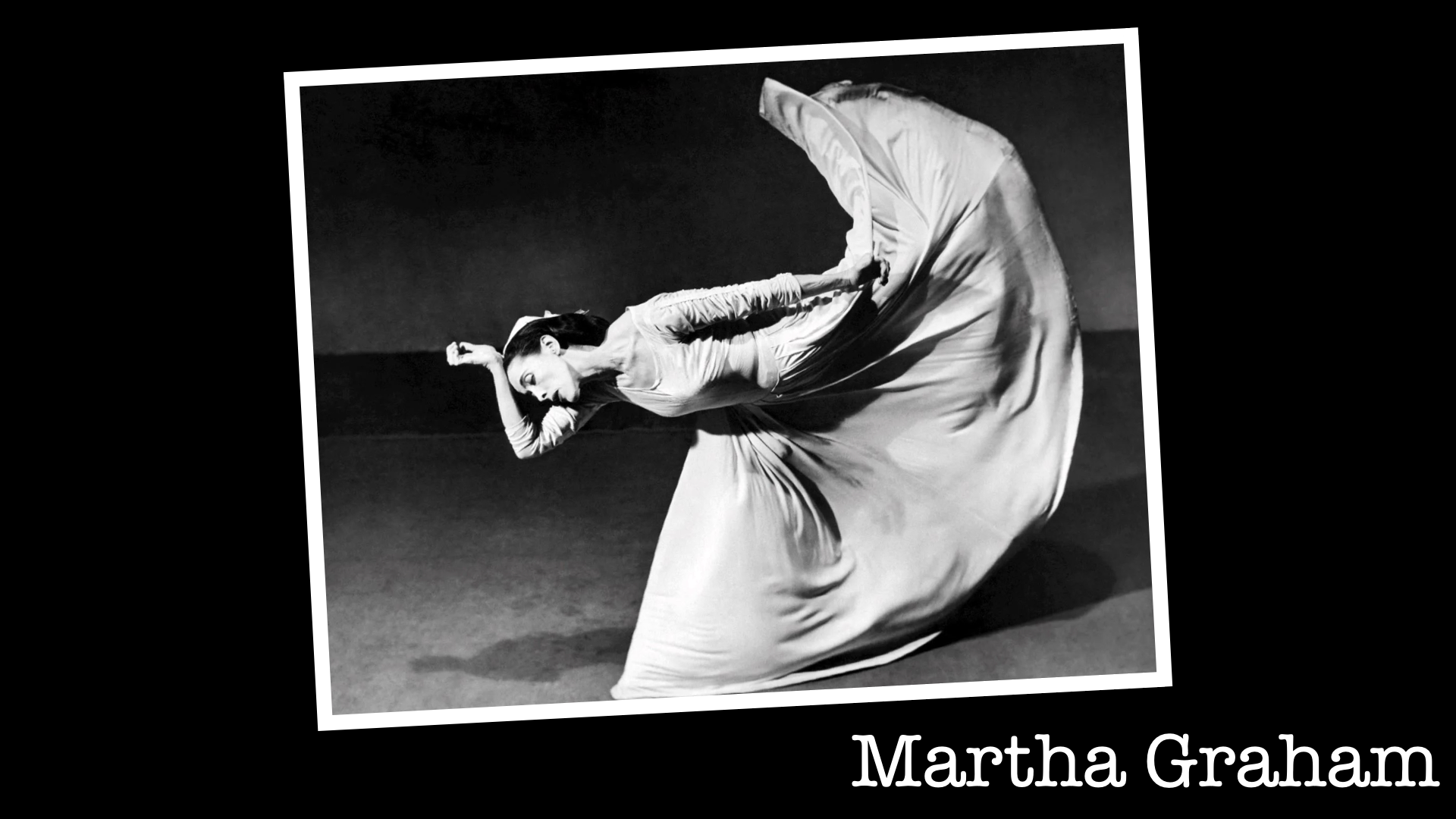
Martha Graham (May 11, 1894 – April 1, 1991) was an American dancer and choreographer whose revolutionary approach to movement reshaped modern dance and influenced generations of artists. Born in Allegheny City (now part of Pittsburgh, Pennsylvania), Graham moved with her family to California as a teenager. She began studying dance in her early twenties at the Denishawn School, where she developed a deep fascination with how emotion could be expressed through the body rather than through decorative gesture.
In 1926, she founded the Martha Graham Center of Contemporary Dance in New York City and introduced a new movement vocabulary centered on contraction and release—a physical embodiment of emotional tension and release. Her choreography explored themes of identity, mythology, and the human condition, often through stark, sculptural movement and minimalist staging.
Graham created more than 180 works over seven decades, collaborating with artists such as Isamu Noguchi, Aaron Copland, and Halston. Her iconic pieces—including Appalachian Spring (1944), Lamentation (1930), and Cave of the Heart (1946)—cemented her reputation as the “Picasso of dance.”
Accolades and Legacy
- Recipient of the Presidential Medal of Freedom (1976) and the National Medal of Arts (1985)
- First dancer and choreographer to perform at the White House
- Honored by the Kennedy Center for lifetime achievement (1979)
- Her company, the Martha Graham Dance Company, remains the oldest continually active modern dance troupe in America
- Recognized by the Library of Congress and the Smithsonian for redefining American modernism
Pittsburgh Connection
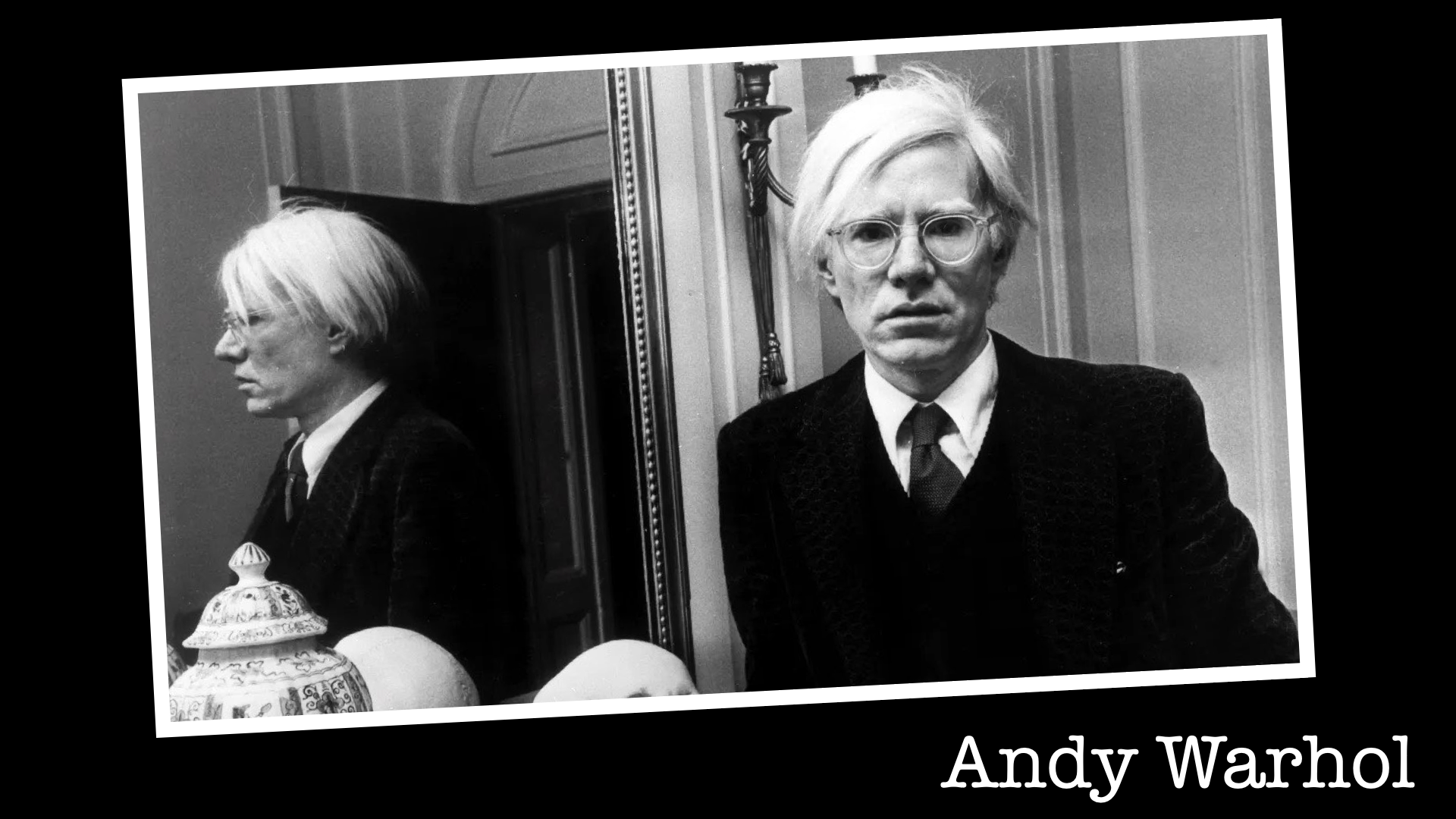
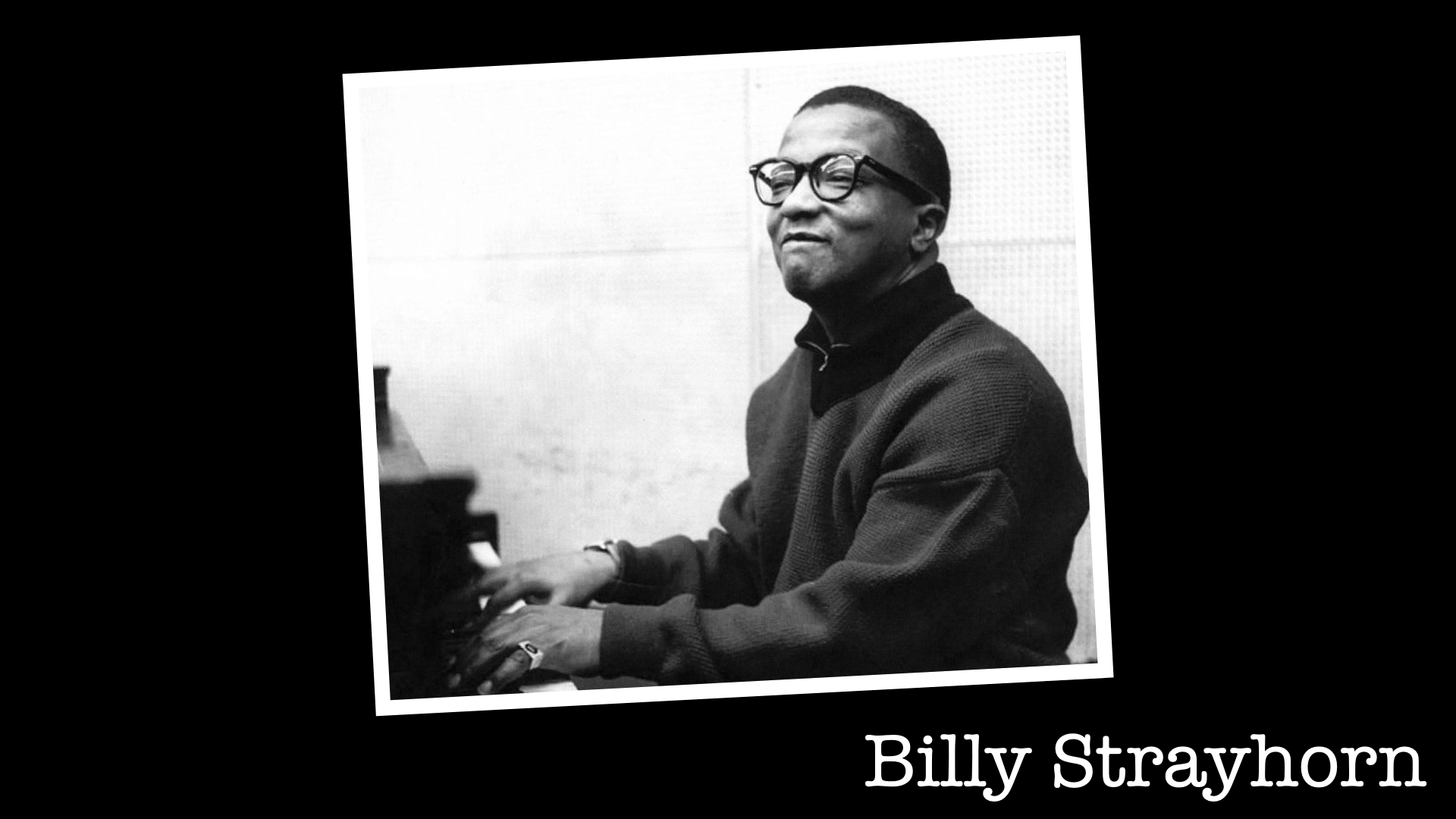
Graham’s birthplace in Allegheny City (now Pittsburgh’s North Side) ties her to the same creative soil that produced artists like Andy Warhol and Billy Strayhorn. Though she moved west as a child, her early Pennsylvania roots connect her to the city’s legacy of innovation in the arts.
Shifting Perception:
The Spatial Re-Design Challenge
NCAS Alignment:
- Creating (Anchor Standard 3): Refine and complete artistic work.
- Connecting (Anchor Standard 11): Relate artistic ideas and works with societal, cultural, and historical context to deepen understanding.
- Responding (Anchor Standard 7): Perceive and analyze artistic work.
Essential Questions:
- How does design influence human perception and movement?
- Can spatial experience become the artwork?
- How can art and architecture provoke emotional, ethical, or social awareness through movement and environment?
Skill Development: The Critique
Students determine the different forms of learning within the classroom space and identify the best furniture arrangement to support those learning activities. Student collectively develop 3-5 floor plans to scale. Using those floorplans as guides, they choreograph each student’s movement to move from one furniture arrangement to another. Three floor plans would require 6 choreographed sets of movements; 5 floor plans would require 20 choreographed sets of movements. Students will plan for moving materials, chairs, tables, and any other items within the space.
The choreography should seek to be efficient (2 minutes or less) and ensure the safety of all involved.
Application for Gifted Learners:
Students collaboratively alter how people perceive and move through space by designing an immersive installation that uses elements such as light, sound, texture, performance, or sculpture. Students become spatial choreographers by using design to shape human experience.
The Challenge: Redesign how people experience a familiar space. Choose a corridor, entryway, courtyard, or classroom and create a temporary installation that changes how people see, feel, and move through it.
Step 1: Observation
Students map the existing flow of a chosen space. They can conduct brief interviews or timed observations of how others move through it. Sketch or photograph “before” documentation and create an “as-built” plan of the existing space.
Students consider:
- Where do people walk, pause, avoid, or gather?
- What behaviors, feelings, or assumptions does this space currently invite?
Step 2: Intention
Students develop the conceptual intent by identifying what they want to achieve by changing the space (e.g., to slow people down, evoke wonder, disorient, comfort, or provoke curiosity). They can create storyboards or spatial mood boards using color, light, sound, and form to anchor the concept.
Students consider:
- Wayfinding and psychological cues in architecture
- Phenomenology of space (e.g., perception, scale, and embodied experience)
- How artists and architects accomplish similar goals (architects: Olafur Eliasson, Yayoi Kusama, James Turrell, Ai Weiwei, Ann Hamilton, Christo and Jeanne-Claude, Studio Drift)
Step 3: Creation
Students draft schematic plans showing how users will enter, move, and exit the space. They build scale models or small prototypes to better understand the space. They will evolve their plan based on what they learned through experimentation, feedback from peers invited to do walk-throughs, and gather data about how their test audience movements changed?
Students consider:
- How do projected light, mirrored surfaces, fabric, or soundscapes affect perception and experience?
- How does the design re-train perception?
- How might people move differently through the space?
- What changed and what needs to change?
Step 4: Installation
Students install the final design and record audience movement and responses using photography, mapping, or video
Students consider:
- Are people behaving differently in the space?
- Are people responding with emotion?
Step 5: Reflection (a.k.a. Critique)
Students present the concept, sensory strategy, and intended experience providing process documentation (e.g. sketches, models, sound or lighting tests). They also present data and findings for critique.
Step 6: Debrief and Extend
- How did spatial manipulation influence awareness, behavior, or emotion?
- How can design influence well-being?
- How can spaces be redesigned to promote inclusion, calm, or curiosity?
- How might one use augmented reality to shift perception?
- Incorporate AI or sensors to track movement patterns over time.