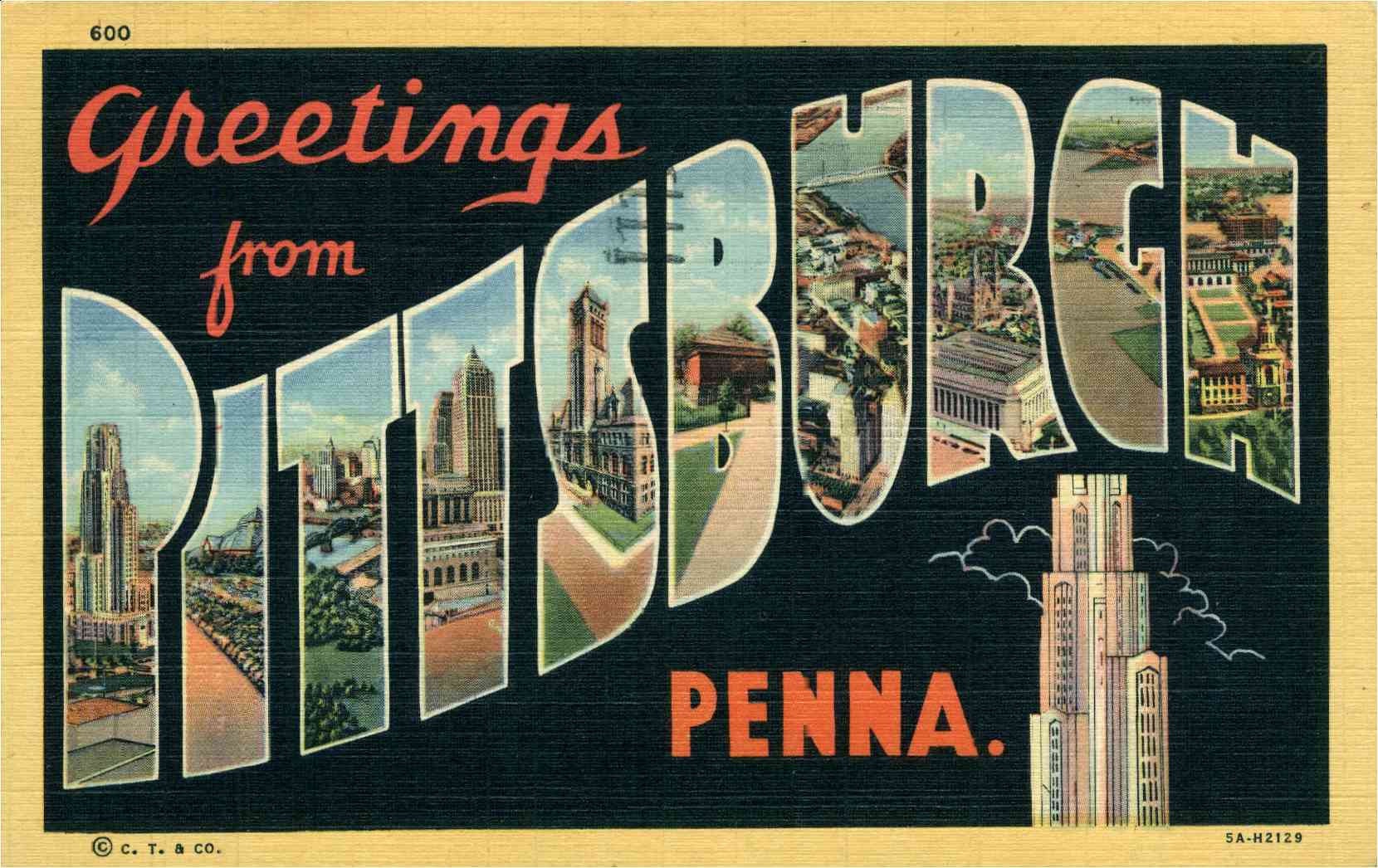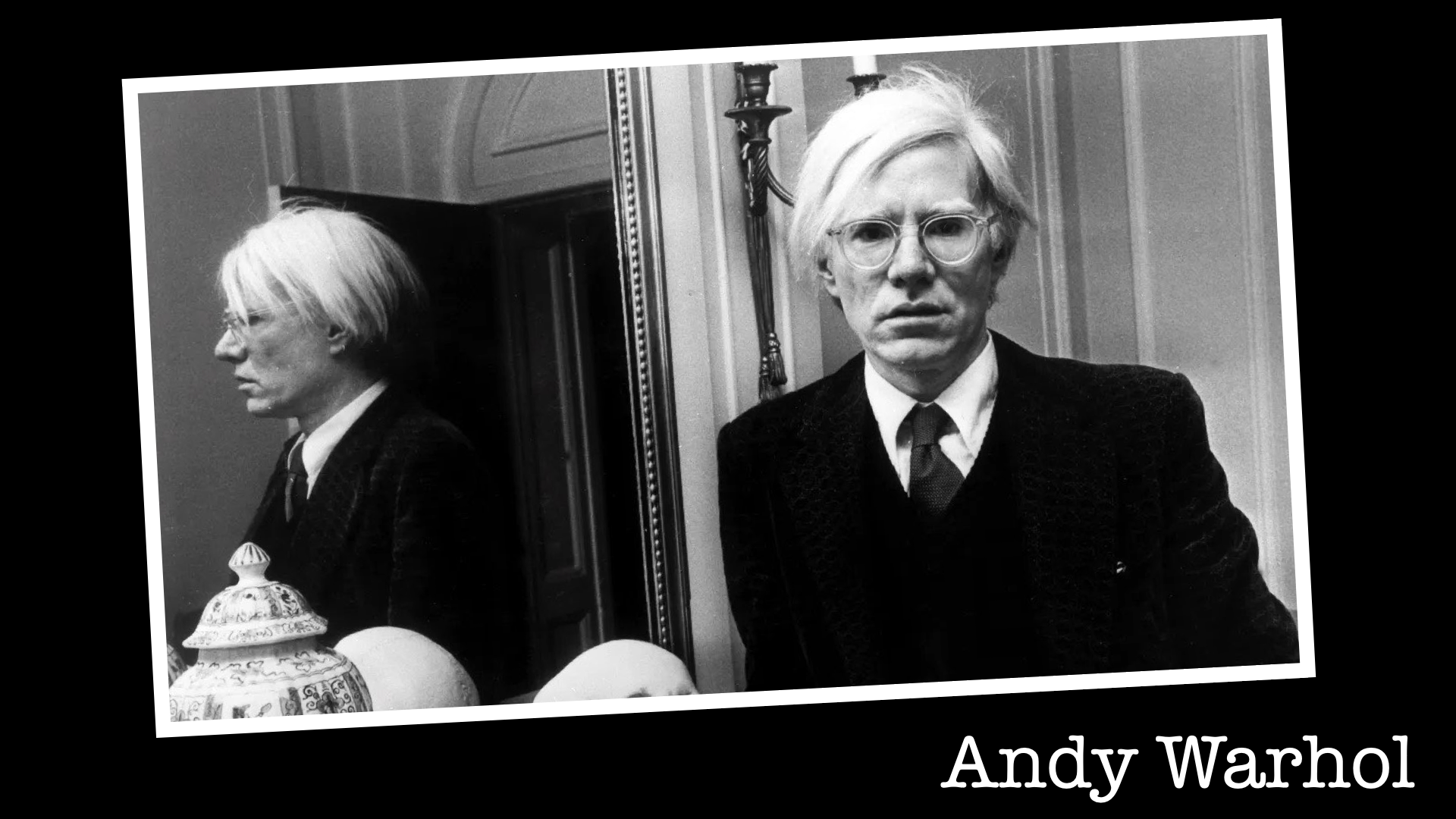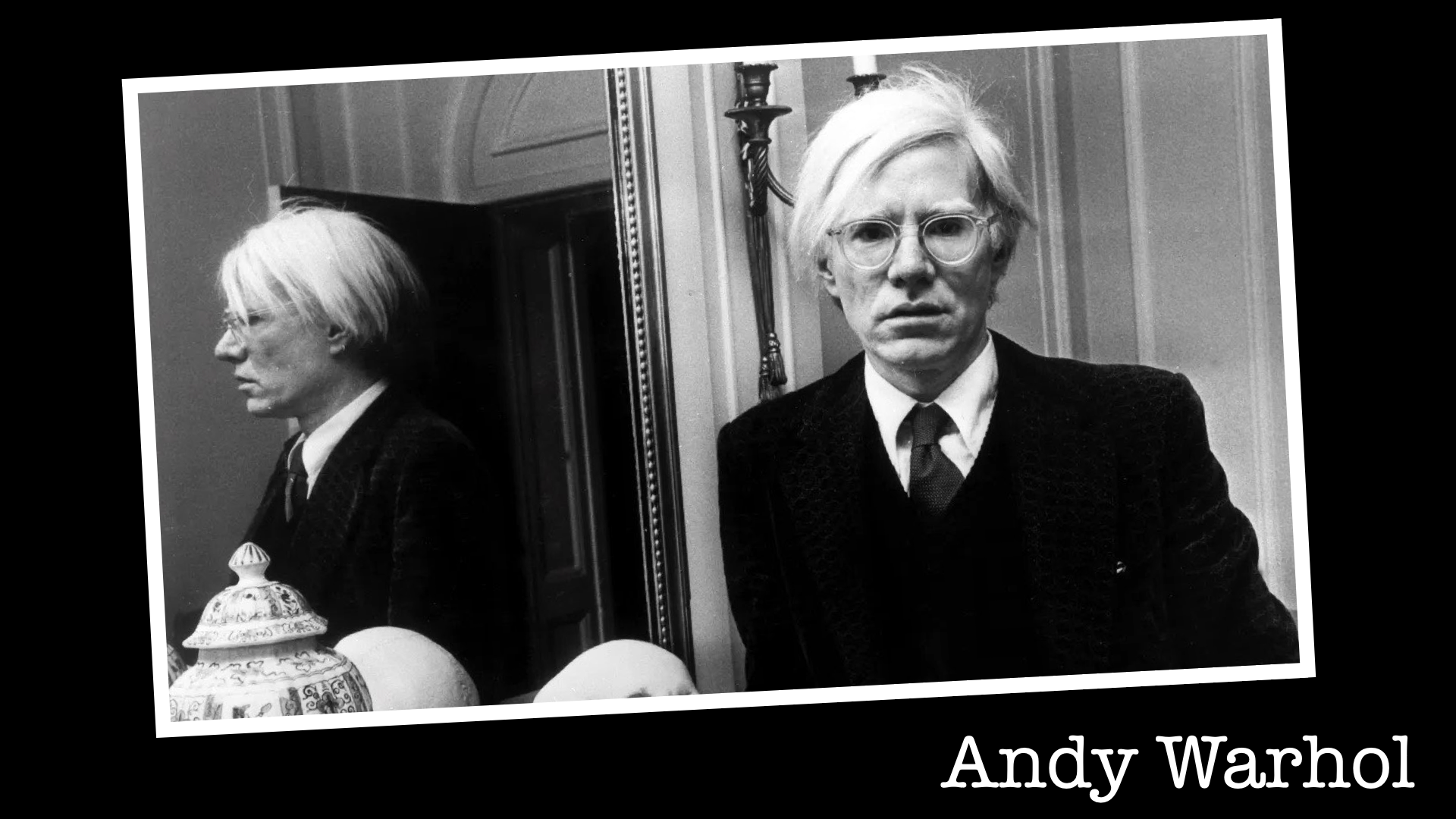
Andy Warhol (August 6, 1928 – February 22, 1987) was a pioneering American artist, filmmaker, and cultural icon whose work redefined the boundaries between commercial design and fine art. Born Andrew Warhola in Pittsburgh, Pennsylvania, to Slovak immigrant parents, he grew up sketching, collecting celebrity photos, and listening to the hum of mass media.
After studying commercial art at Carnegie Institute of Technology (now Carnegie Mellon University), Warhol moved to New York City, where his early success as an illustrator led him to blur the line between advertising and art. He became the central figure of Pop Art, a movement that celebrated—and critiqued—the imagery of consumer culture.
His studio, The Factory, became a creative laboratory where painters, musicians, poets, and filmmakers converged. Warhol’s silk-screened portraits of Marilyn Monroe, Elvis Presley, and Campbell’s Soup Cans transformed everyday symbols into cultural icons. He famously declared, “In the future, everyone will be world-famous for fifteen minutes.”
Warhol’s body of work spans painting, film, sculpture, photography, and publishing, including the experimental magazine Interview. His influence on visual culture, celebrity, and media remains profound.
Pittsburgh Connection
Warhol’s hometown later became home to the Andy Warhol Museum, the largest museum in North America devoted to a single artist. Located on Pittsburgh’s North Shore, it houses more than 900 paintings, 4,000 photographs, and 77 films. It is an ever evolving testament to the intersection of art, fame, and everyday life.
The Factory Experiment:
Systems, Assistants, and Authorship
NCAS Alignment:
-
Creating (Anchor Standards 2–3): Organize and refine artistic ideas and work.
-
Presenting (Anchor Standard 6): Convey meaning through presentation.
-
Connecting (Anchor Standard 10): Synthesize knowledge and experiences to make art.
Essential Questions:
- What happens to creativity when art is produced collectively?
- Who “owns” the art in a collaborative system?
- How do repetition and delegation influence artistic meaning and value?
- Can a process itself be a form of art?
Skill Development: The Critique
Students form groups of three and each student takes a role: Critic, Presenter, or Observer. In 20 minute intervals, students will practice each role. The Presenter is responsible for sharing a creative product by identifying the objectives, audience, and need it fulfills. The Critic asks questions, remains focused on the work, identifies specific strengths and weaknesses, analyzes problems or issues with solving them, and is objective. The Presenter receives feedback. The Presenter must listen, take the critic’s perspective without defending the work, find new insights through the feedback, remain objects – detached from the work, ask specific questions about the feedback. The Observer may take notes, but cannot say a word during the critique. The Observer’s job is simply to observe the interaction between the Presenter and the Critic and share what they noticed about the interaction once the critique is over. Helpful guidance for students:
Critic: Refer to the work, not the individual. For example, “This aspect of the work doesn’t…” vs. “The choice you made here…”
Presenter: Be quick when presenting. Form your presentation around the following questions: What were the goals of the work? Who is the audience? Why do they need this? Don’t over explain. Let the reviewer have their own perspective, and remember, you are not your work! Avoid taking the feedback personally.
Observer: Pay careful attention and identify when the Presenter defends their work or takes the critique personally. Notice when the Critic judges the individual rather than staying focused on the work.
Application for Gifted Learners:
Students collaboratively recreate Warhol’s Factory studio model. The class collectively chooses an image (e.g., a portrait, logo, or object) and develops an assembly-line system to mass-produce the artwork. Roles are selected (designer, printer, colorist, curator), and the process itself becomes the artwork.
The Challenge: Design a factory system that can produce 20-30 finished works in under 45 minutes, with each copy slightly unique.
Provide Context:
Introduce Andy Warhol’s Factory through short clips, readings, or images.
Discuss how it blurred boundaries between:
- High art and mass culture
- Artist and assistant
- Process and product
Students brainstorm culturally relevant or iconic images—portraits, symbols, or everyday objects (e.g., a local celebrity, brand logo, endangered species, smartphone).
Step 1: Design Conventions and Planning
Students design a factory system that can produce 20-30 finished works in under 45 minutes, with each copy slightly unique.
Students vote on one shared image to reproduce collectively. This image becomes the “source material,” like Warhol’s Campbell’s Soup can or Marilyn Monroe photo.
They should collaboratively design a production system in the form of a creative assembly line where each step transforms the image. Each student takes on the role from within the art profession. Example roles:
|
Role |
Responsibility |
|
Designer |
Prepare the source image, adjust contrast, composition, cropping, etc. |
|
Printer |
Execute the reproduction using printmaking, stencil, digital duplication, etc. |
|
Colorist |
Add color layers or textures, experimenting with hues and saturation |
|
Curator |
Documents the process and selects work for display. Arranges final exhibition. |
|
Marketing Team |
Creates promotional materials or pop-up exhibition concept |
Students consider:
- Who starts? Who finishes?
- What tools/materials are shared?
- Where do variations occur intentionally?
- How will they record the process (video, photography, time-lapse, or notes)?
Step 2: Production
The class activates the Factory.
Each station performs its role in real time—mirroring Warhol’s performative process.
Students consider:
- How will they engage rhythmic work habits (e.g., repetition of gestures, soundtrack playing)?
- Should the process be documented? If so, who will photograph or film the “Factory in action.”?
- Is making both art and performance? How so?
Step 3: Exhibition
Students collectively curate the resulting works.
Students consider:
- How should multiples be displayed (grid, wall, stack, collage)
- Should they show “failures” or process artifacts (screens, rags, tools)?
- How should they frame the experience for the viewer (gallery, pop-up shop, or production floor)?
Step 4: Critique
Students engage in a critique process, identifying their roles as presenter, observer, or critic.
Students consider:
- What patterns emerged through repetition?
- How did your role affect your sense of authorship?
- Did the process change your perception of what art is?
- How does this mirror or critique modern systems of labor and fame?
- What new meanings did your chosen image acquire through replication?
Step 5: Debrief and Extend
- What are the ethical and philosophical implications of delegation, authorship, and replication?
- Is the artist the maker, the idea generator, or the system designer?
- Compare Warhol’s Factory to AI art generators:
- Does AI generate art?
- If AI has learned by reviewing existing art, who is the author now?
- Evaluate “The Artist as System.”
- Integrate economics or sociology perspectives to analyze art as product.